What You Can Bring Through Airport Security: Liquids, Medication, and Carry-On Rules
The 3-1-1 liquids rule, how medication and baby supplies are treated, and the everyday items that slow you down at the checkpoint.
By WarBird Flight editors · Updated September 25, 2026 · 2 min read
The liquids rule, in plain terms
The core rule for a carry-on is often called 3-1-1: liquids, gels, and aerosols must be in containers of 3.4 ounces (100 ml) or less, all fitting in a single quart-size clear bag, one bag per traveler. It is the container size that matters, not how much is left inside — a half-empty 8-ounce bottle is still not allowed. Anything larger goes in a checked bag. Newer checkpoint scanners at some airports relax the bag-out step, but the safe assumption is still the 3-1-1 bag until an officer tells you otherwise.
Medication and medical items are treated differently
Prescription and over-the-counter medication is not held to the 3.4-ounce limit, including liquid medication in reasonable quantities — you just declare it at the checkpoint for separate screening. The same flexibility covers medically necessary items and mobility aids. Keep medication in your carry-on, not a checked bag, so a delayed or lost bag never separates you from something you need. You are not required to carry it in the original prescription bottle in most places, but doing so avoids questions.
- Declare liquid medication and gel packs to the officer instead of forcing them into the quart bag.
- Keep a day or two of essential medication on your person, not just in the roller bag you might gate-check.
- Baby formula, breast milk, and juice for an infant are allowed in reasonable quantities beyond 3.4 ounces — declare them.
- Medical devices and mobility aids are screened separately and do not count against your carry-on allowance.
The items that quietly slow you down
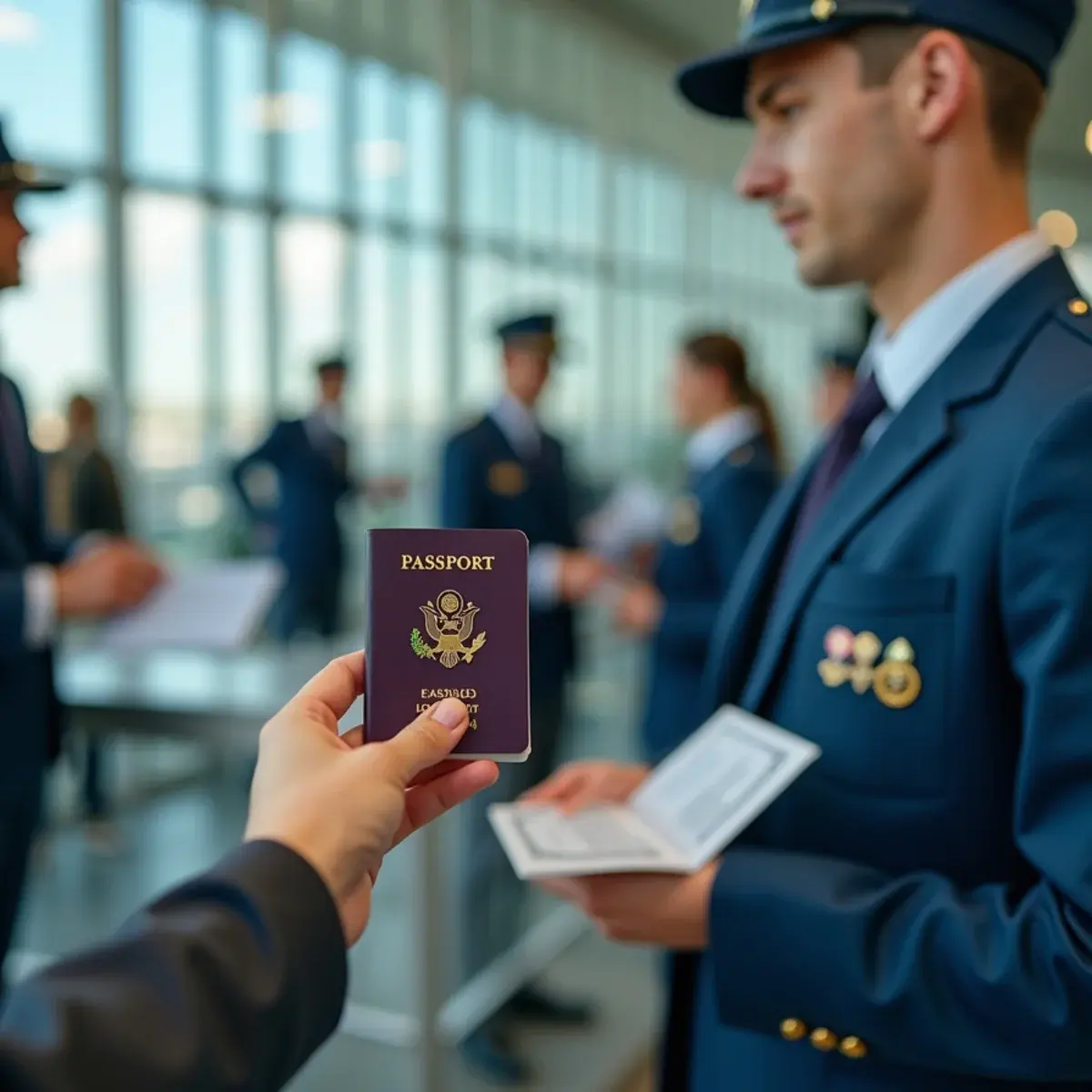
Most missed-the-bin delays come from ordinary things: a full water bottle you forgot to empty, a laptop or large tablet that needs its own bin at many checkpoints, a jacket and belt, and pocket clutter. A pocket knife, oversized scissors, or a large sports aerosol will get pulled and can cost you the item. Emptying your bottle before the line, putting metal and electronics in your bag ahead of time, and wearing easy shoes turn a slow checkpoint into a fast one.
When the rule depends on where you fly
Checkpoint rules vary by country, and an item allowed on your outbound flight can be confiscated on the way home. If your trip runs through an unfamiliar airport or a tight connection, it helps to plan the itinerary with that margin in mind. Call (708) 866-8751 and a licensed agent builds a routing with enough connection time for security and re-screening, so a checkpoint never turns into a missed flight.
Want a person to do this for you?
Licensed agents book, change, and cancel on every airline, 24/7, every day.